
Quick Take
Three very different cameras at three different price points. The GoPro Max 2 ($499) wins on raw image detail and color grading flexibility. The Insta360 X5 ($549) is the best overall for most creators – best low-light, best app. The DJI Osmo 360 ($599) is for DJI ecosystem users who want built-in storage and a 1-inch sensor.
Three new flagship 360 cameras dropped within weeks of each other – GoPro’s first Max upgrade in six years, Insta360’s best X-series yet, and DJI’s first attempt at a 360 camera entirely. The specs overlap enough to be confusing. The shooting experience is different enough to matter. Here is how they actually compare.
Video quality and colors
All three cameras shoot 8K, but the pixel counts differ meaningfully. The GoPro Max 2 captures approximately 29 megapixels per frame, giving it a genuine sharpness edge when you zoom in during reframing – which is how 360 footage is actually used. The X5 and Osmo 360 are closer to 24 megapixels. For color, the Max 2 produces natural, slightly flat footage that holds up well in post. The X5 gives punchy, saturated colors that look great straight out of camera. The DJI Osmo 360 is clean and sharp, sometimes to a fault – the processing can feel a little over-worked.
Low light performance
The GoPro Max 2 underperforms here. Once the sun goes down, noise climbs and the image softens noticeably – this is not the camera to choose if you shoot at night or in dim interiors. The Insta360 X5 leads this category with Pure Video mode: a dedicated low-light shooting mode that produces clean, usable footage under street lights and in dim rooms. There is some smoothing in fine details, but for concerts, travel evenings, and indoor social content, it is ahead of anything else in this class. The DJI Osmo 360 sits in the middle – its 1-inch sensor handles low light better than the Max 2, though it does not match the X5 in Pure Video mode.
Software and ease of use
This is where the gap between brands is widest. Insta360’s app is the best in the business for 360 video – reframing, transitions, subject tracking, and quick social exports all work quickly and intuitively. Shoot, edit, post, done. The GoPro Quick app for 360 content is notably worse – most creators end up exporting raw footage and editing in third-party software, which adds friction. The DJI Mimo app is fine, and if you already work in the DJI ecosystem the workflow will feel familiar, but it does not match Insta360’s polish for 360-specific editing.
Where to buy
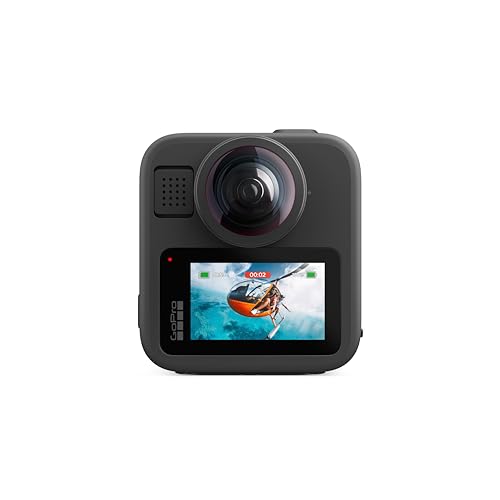
- MAX Never Misses With True 8K 360 Video: Never aim, but capture everything around you...
- Invisible Mounting: Capture amazing pole-mounted footage where the pole completely...
- The Best POV: Max out your creativity and get the widest, tallest, most- immersive...
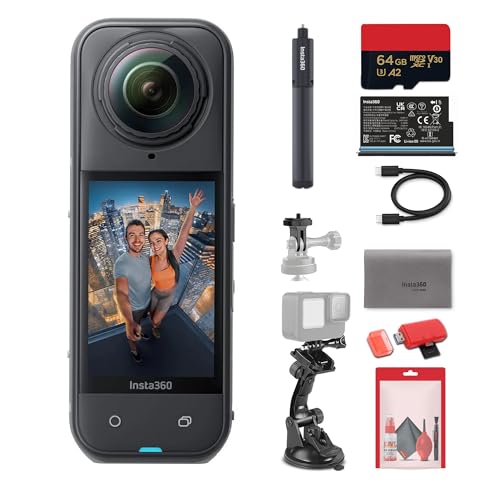
- Items Include: Insta360 X5 8K 360 Waterproof Action Camera | 1/1.28" Sensors,...
- Total Immersion in 360: Experience every angle with stunning 8K resolution that puts...
- Cinematic Quality, Streamlined Setup: Deliver ultra-smooth, high-resolution video...
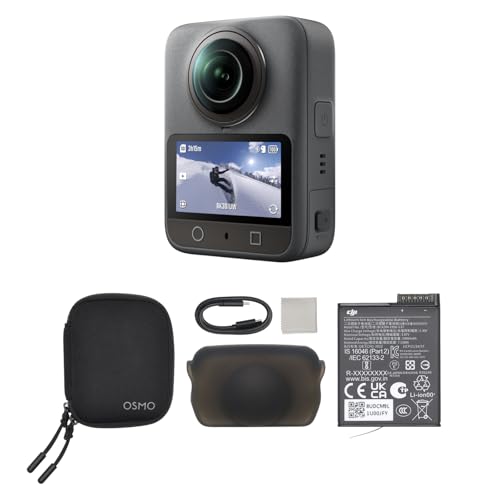
- Big Views, Brilliant Quality - Groundbreaking 1-inch 360° imaging [1] delivers...
- Stunning, Day or Night - Capture every detail with 8K 360° videos and store them...
- No Pole, All Action - 1.2m Invisible Selfie Stick turns your Osmo 360 into a...
Lenses and durability
Replaceable lenses are now a key selling point across the category – and for good reason. A scratch on a 360 camera lens ruins every shot until you fix it. Both the Max 2 and X5 have user-replaceable lenses: the GoPro’s swap is quick and toolless, the X5 requires a small repair kit but is still manageable. The DJI Osmo 360 is the exception – non-replaceable lenses mean a scratch requires sending the camera in for repair. This is a real ownership risk for anyone who shoots outdoors aggressively. Ironically, DJI’s optics handle lens flare in direct sunlight better than either competitor.
Battery life and extras
The GoPro Max 2 manages over an hour at 8K but can overheat in low-airflow conditions. The X5 runs slightly longer and charges faster. The DJI Osmo 360 handles heat the most gracefully – instead of shutting off, it dims the screen and keeps recording, allowing a full battery run. DJI also included 105GB of built-in storage, which means you can leave the SD card at home for casual shoots. An added bonus: its batteries are cross-compatible with the DJI Action 5, so existing DJI users have immediate spare battery support.
Who should buy each camera?
GoPro Max 2 ($499): Best for creators who prioritize image sharpness and want flexibility in color grading. The cheapest of the three. Weaker in low light – avoid if evening or indoor shooting is common. Check the latest price on Amazon.
Insta360 X5 ($549): Best all-around choice for most creators. Low-light advantage is real, the app saves significant editing time, and the battery and charging improvements matter in the field. The Insta360 Ace Pro 2 is worth comparing if you prefer a standard action cam format. See current X5 pricing on Amazon.
DJI Osmo 360 ($599): Best for existing DJI users. The 1-inch sensor delivers strong image quality, built-in storage is genuinely useful, and the battery compatibility with the Action 5 is a practical advantage. Just be careful with those lenses. Check current pricing on Amazon.
For most creators, the Insta360 X5 is the better all-around camera. It has stronger low-light performance with Pure Video mode, a faster and easier editing app, and better battery life. The GoPro Max 2 wins on raw image sharpness and is $50 cheaper, making it the right choice if you prioritize color grading over low light.
No. The DJI Osmo 360 does not have user-replaceable lenses, unlike the GoPro Max 2 and Insta360 X5. A scratched lens on the Osmo 360 requires sending the camera in for repair, which is a significant consideration for outdoor and travel shooters.
The DJI Osmo 360 includes 105GB of built-in storage, which is a unique feature among these three cameras. It means you can shoot without an SD card for casual sessions, which is useful if you frequently forget your card or want a simpler setup.
The Insta360 X5 is the best of these three cameras for low-light shooting, thanks to Pure Video mode. It produces usable, relatively clean footage under street lights and in dim indoor environments where the GoPro Max 2 struggles. The DJI Osmo 360 performs in the middle, with its 1-inch sensor handling low light better than the Max 2.
At launch, the GoPro Max 2 is priced at $499, the Insta360 X5 at $549, and the DJI Osmo 360 at $599. Prices may change over time, so check current pricing on Amazon or each brand’s official site.


 English
  Italiano
  Deutsch
  Español
  Português
  Nederlands
  Français