
Quick Take
El DJI Avata 360 is a genuinely useful tool if you create content for multiple platforms and like deciding your shots in post. It is no es for everyone: it weighs 450g (above the sub-250g travel threshold), reframing reduces image quality versus a dedicated drone, and the workflow adds steps. If that trade-off works for you, it is powerful. If you want the FPV flying experience, the Avata 2 is the better choice.
A drone that records everything around it and lets you choose the shot later – on paper, that sounds like a filmmaker’s dream. In practice, it is a specific tool for a specific workflow, and DJI does not make those trade-offs obvious in the marketing. Here is what the Avata 360 actually is, who it is genuinely useful for, and the four questions to ask before buying one.
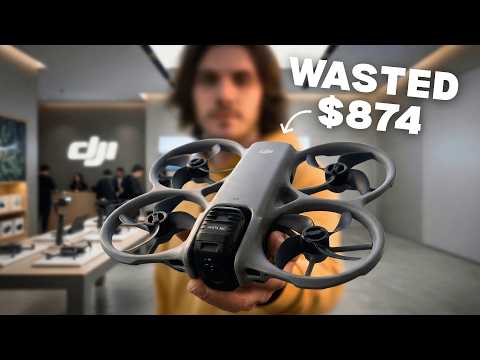
What the DJI Avata 360 actually is
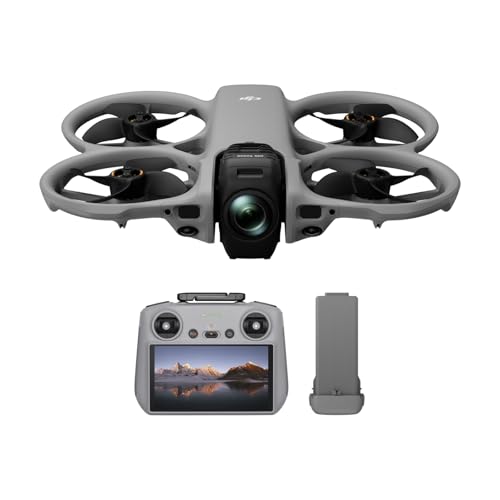
- 1-Inch 8K 360° Imaging - With 1-inch-equivalent sensors [1], light and shadow are...
- O4+ FHD Video Transmission - Features strong anti-interference capabilities, delivers...
- Integrated Propeller Guard & Omnidirectional Obstacle Sensing - Fly confidently with...
The Avata 360 can be flown as a normal FPV drone where you frame shots in real time – that mode exists. But that is not what makes it different. The real point is fly first, frame later: record the full sphere around the drone, then decide which angle becomes the shot in editing. One flight, multiple possible outputs for YouTube, Instagram, TikTok, or whatever format you need. The two sensors shoot full 360 video up to 8K in 10-bit Dlog-M, giving you real flexibility in post. Controller and goggles are the same as the Avata 2, so if you are already in that ecosystem, the transition is immediate.
4 things to consider before buying
1. The real-time FPV experience changes. A lot of FPV pilots love the precision of framing a shot live as they fly. In full 360 sphere mode, that precision is not the point anymore. You are capturing everything and making decisions later. If the live framing is what you enjoy about FPV, you will miss it.
2. Reframing means a quality trade-off. The 8K is for the full 360 sphere. When you reframe a specific shot from that sphere, you are cropping in – and that means lower final resolution than a dedicated camera drone like the Avata 2 or Mini 4 Pro. The output still looks good, but it is not apples-to-apples.
3. The workflow has more steps. Shoot, reframe, export, then edit. It is not complicated, but it is more time than a standard drone workflow. If you prefer fast, simple content creation, this slows you down.
4. Weight matters for travel. The Avata 360 weighs around 450g – well above the 250g threshold that grants lighter regulatory treatment in most countries. If you travel frequently and want a drone you can fly with minimal restrictions, this creates complications the smaller DJI Mini drones do not.
Who it is actually for
The Avata 360 makes the most sense if you create content for multiple platforms and want multiple angles from a single flight, and if you are comfortable with a 360 editing workflow (reframe → export → edit). That extra step is not difficult, but it is real time. If you enjoy posting quickly or have a simple production pipeline, it adds friction. The 10-bit Dlog-M color profile gives you strong post-processing latitude when the workflow suits you.
Availability and price
The Avata 360 is priced between roughly $500 and $1,000 depending on the combo. In the US, new FCC rules have made it harder to find through standard retail channels – third-party sellers like Newegg are still moving existing stock. Outside the US, it is available through local DJI stores and Amazon. Check current availability and pricing on Amazon.
Alternatives worth considering
If weight is a concern: the Anti-Gravity A1 is a 360 drone that stays under 250g. If you want the full FPV experience without the 360 workflow: the DJI Avata 2 is the better choice. If you want small and easy to travel: a DJI Mini drone will give you fewer regulatory headaches.
The DJI Avata 360 is an FPV drone with a built-in 360-degree camera that records the full sphere around it while flying. You then choose and reframe specific shots in editing rather than framing live while piloting.
The DJI Avata 360 weighs approximately 450 grams, which is well above the 250-gram threshold. In many countries, drones above 250g require registration or face additional flying restrictions, which matters if you travel frequently.
It depends on your workflow. If you create for multiple platforms and want maximum creative flexibility in post, it is a powerful tool. If you prefer the real-time FPV experience, fast simple content creation, or need a travel-friendly sub-250g drone, alternatives like the Avata 2 or DJI Mini series are better fits.
It shoots 360 video up to 8K with 10-bit Dlog-M using two sensors slightly under 1 inch each. When you reframe a specific angle from the 360 footage, you are cropping into the sphere, so the final output resolution is lower than shooting with a dedicated camera drone like the Avata 2 or Mini 4 Pro.
It is available in the US but harder to find through standard retailers due to FCC rules affecting new DJI product imports. Third-party resellers like Newegg are still selling existing stock. Outside the US, it is available through DJI stores and Amazon.


 English
  Italiano
  Deutsch
  Español
  Português
  Nederlands
  Français